
Bundt cakes are some of my favorite cakes to bake, and I want you to enjoy the process just as much. My mission is to help you feel confident every time you make one of my Bundt cake recipes. Below are my best tips for baking a Bundt cake with success.

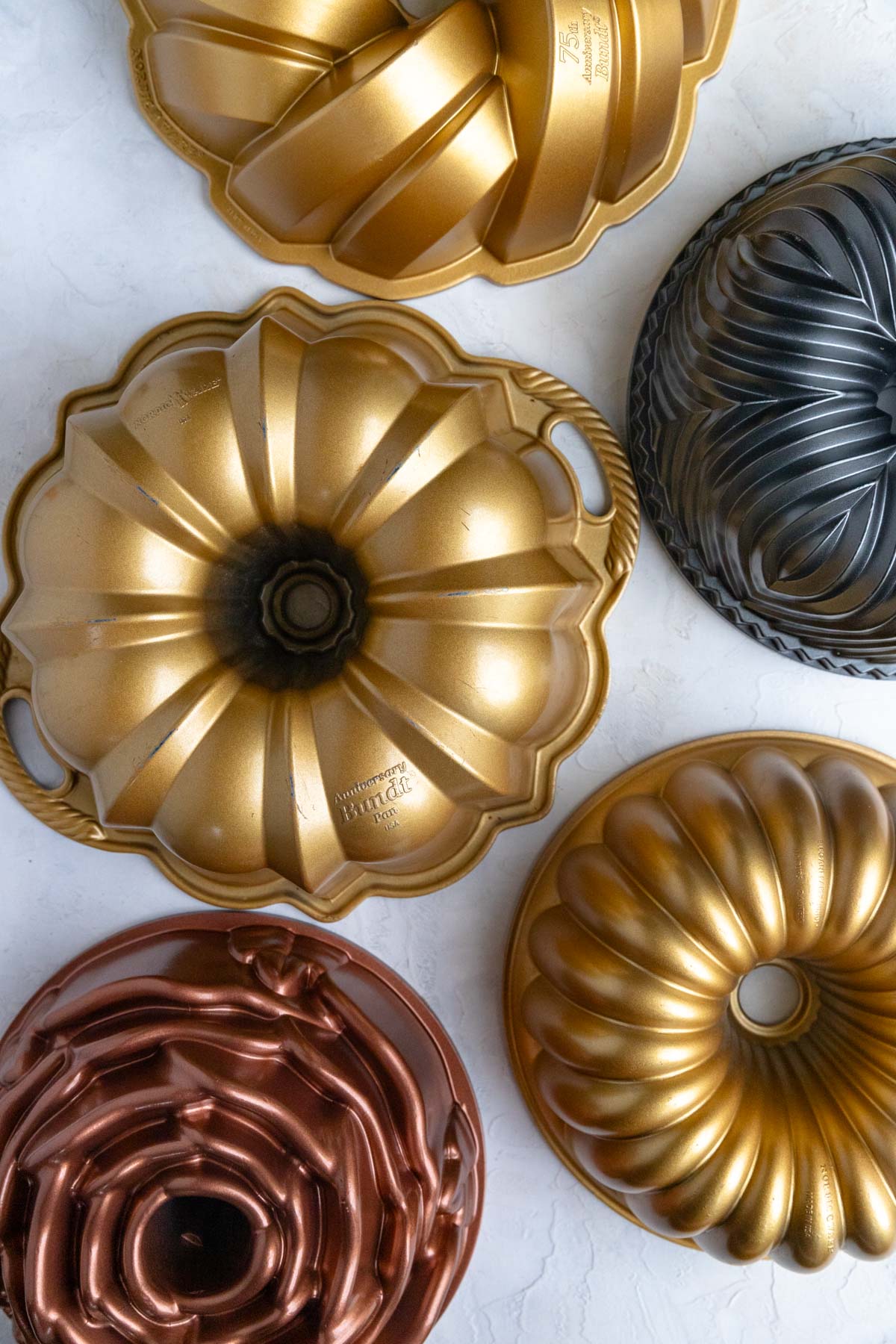
A few years ago my husband overheard me mention that I wanted a specific Bundt pan for my birthday. He wasn't sure which one I meant, so he covered all the possibilities and bought about thirty Bundt pans and other cake pans. We returned about half of them, but I ended up with an incredible collection of Nordic Ware pans, most of them them ten cup sizes.
As you read through the tips below keep this bundt and pound cake recipes in mind to try:
- Southern Lemon Pound Cake
- Vanilla Bundt Cake
- Chocolate Sour Cream Pound Cake
- Apple Cider Bundt Cake
- Eggnog Bundt Cake
Invest in a Quality Bundt Pan for Perfect Results
A good Bundt pan makes a noticeable difference in how your cake bakes and releases. For most of my Bundt cakes, I use the Nordic Ware Platinum Collection Anniversary Bundt Pan. It has become my go to pan because it browns evenly and releases the cake cleanly every time.
If you are buying a new Bundt pan, choose one that feels sturdy and well made. Thin or flimsy pans do not heat evenly, and I do not recommend silicone pans for Bundt cakes. A solid, heavy duty pan gives you the best chance of getting a beautiful cake with clean edges.
Properly Prepare the Bundt Pan
Preparing the interior of the pan is one of the most important steps in making a Bundt cake. A well prepped pan helps the cake release cleanly and keeps all those beautiful details intact.
There are two reliable ways to prepare the pan. You can use a combination of fat and flour, such as butter or vegetable shortening dusted with flour. The other option is a baking spray like Baker’s Joy, which already contains both fat and flour.
If your Bundt cake contains fruit, choose vegetable shortening instead of butter. The milk solids in butter can cause the fruit to stick to the pan, which makes the cake more likely to tear when you invert it.

Measure Ingredients Carefully
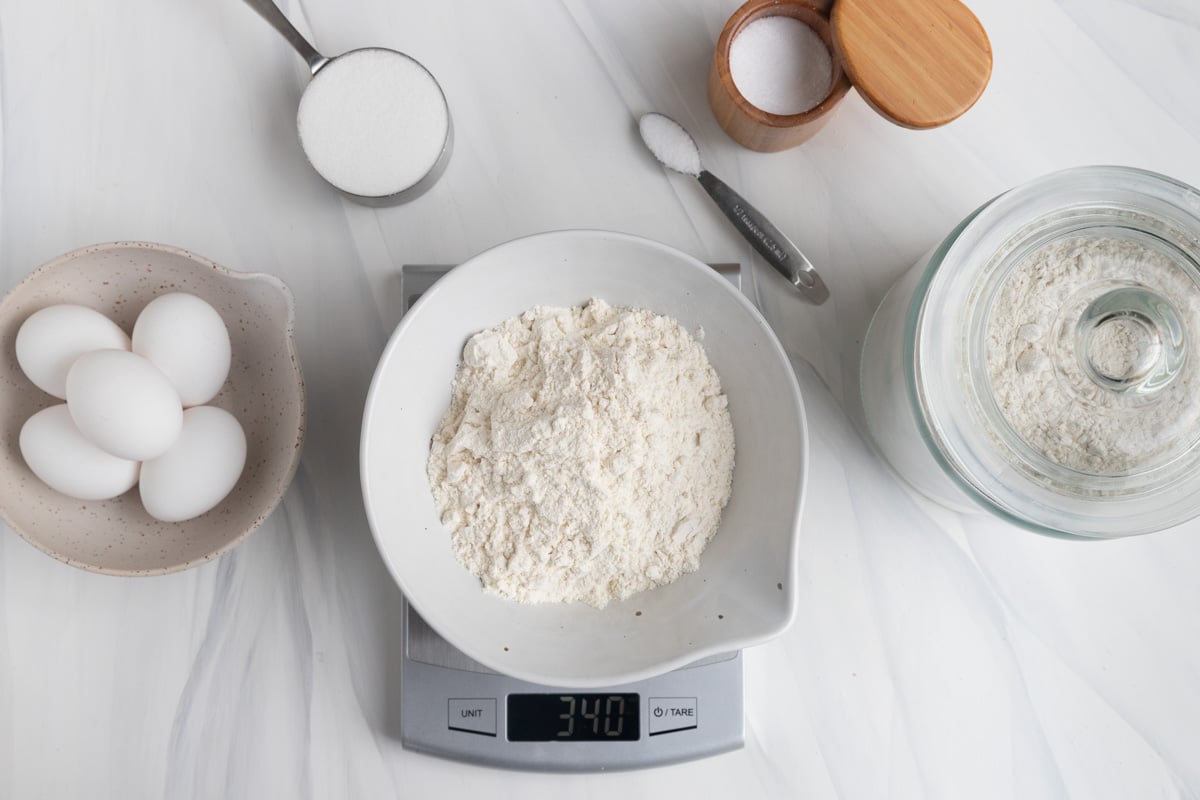
For the best and most consistent results, I recommend weighing your ingredients with a kitchen scale. It removes the guesswork and helps you get the same great cake every time.
Flour is especially tricky to measure by volume because it settles in the cup and can easily become packed. Some older recipes, like my aunt’s lemon pound cake, call for sifting the flour and spooning it into a measuring cup. That method works, but weighing the flour is still the most accurate option.
If you do not have a scale, use the spoon and level method. Lightly spoon the flour into the measuring cup and level it with a straight edge. Too much flour will make your cake dry. Too little flour can cause it to sink.
Baker's Tip: My aunt made the most amazing lemon pound cake, and she always sifted her flour twice before spooning it into the measuring cup. While this step is not always necessary with modern flours, sifting was a common way to aerate the flour and help ensure a more accurate measurement.
Use Room Temperature Ingredients
Room temperature ingredients make all the difference when mixing a Bundt cake batter. Aim for ingredients that are about 65 to 68°F. At this temperature, everything blends smoothly and creates a batter that traps air, which gives your cake a tender texture and a beautiful rise.
Butter, eggs, and dairy like buttermilk, sour cream, or milk should all be at room temperature. Cold butter will not cream properly with the sugar, which is an important step for creating a light and airy texture. Butter that is too soft can also affect how well the ingredients emulsify.
Cold eggs can create a dense crumb, and cold dairy can cause the butter to firm up again, which makes the batter harder to mix. When all your ingredients are at the right temperature, they come together easily and create a smooth, even batter.
Quick guideline for success:
- Check the butter by pressing it lightly. It should give slightly but still feel cool
- Butter, eggs, and dairy should be between 65 and 68°F
- Take them out of the fridge ahead of time so they warm up naturally
Don't Undermix or Overmix the Batter
Properly creaming the butter and sugar is one of the most important steps in making a great Bundt cake. This step incorporates air into the batter and creates the tiny bubbles that expand in the oven, helping the cake rise and giving it a light, tender texture. Take your time here and beat the mixture until it is light and creamy.
Once you add the dry ingredients, mix them on low and only until the flour is just combined. This prevents the gluten from developing too much. Overmixing, especially at a high speed, can create a tough and chewy cake or a cake with a lot of holes depending on the recipe.
As you mix, stop occasionally to scrape down the sides and the bottom of the bowl. This ensures that everything blends evenly and that no streaks of flour remain. A smooth, well mixed batter sets the foundation for a cake with a beautiful crumb.

How to Bake a Bundt Cake Properly
Once your batter is ready, baking becomes the next big step. Place the Bundt pan on the center rack so the cake bakes evenly. If it sits too high or too low, the cake can brown too quickly or bake unevenly.
If you're using a pan with an intricate design place a cooling rack on top of the oven rack. This step will help the bundt pan stay level.
Make sure the oven is fully preheated. Bundt cakes need steady heat from the start to rise and set properly. If your oven runs hot or cool, an oven thermometer can help you get the right temperature.

A well baked Bundt cake will have a golden, even color across the top and the edges should pull slightly away from the sides of the pan as soon as you remove it from the oven. The surface will look set and feel springy when you lightly press it with your fingertip.
My favorite way to check is to use an instant-read thermometer. Most Bundt cakes are done when they reach about 200 to 205°F. This is a reliable way to check doneness, especially for cakes with fruit.
When the cake is finished, place the pan on a cooling rack and let it rest for about fifteen minutes before inverting. This helps the cake firm up and release cleanly.
Cool the Cake Properly to Ensure It Never Sticks
I learned this lesson the hard way while testing my first Bundt cake recipe. I made the cake three times before I figured out the right timing. The first time, I inverted the pan after only 10 minutes and the cake broke apart. The second time, I waited 30 minutes and the cake stuck to the pan, leaving big chunks behind.
Fifteen minutes turned out to be the sweet spot. It gives the cake enough time to firm up while still being warm enough to release cleanly from the pan.
Before removing the cake from the oven, check for doneness. Either use an instant read thermometer or insert a wooden skewer into the center. The cake is done when the thermometer reads the correct temperature or the skewer comes out clean.
You can see below how beautiful your cake can be as it comes out of the pan when you pay attention to the time.

Please let me know if you found this article on making bundt cakes helpful.
Connect with me on Instagram and tag me @bakesbybrownsugar to share your recipe remake photos.
Like what you see? Click here to subscribe to Bake's by Brown Sugar Baking Newsletter to get free and delicious treats delivered to your inbox.
Mary Lynch says
I found this article very helpful, as I do your recipes. I used to have a silicon bundt pan, and it baked very unevenly, so I had raw dough in the middle and hard, overbaked cake on the outside. Wish I had read your article years ago. I kept the pan, thinking I would get the right tips to fix the problem. Now, out it goes. I also did not know what temperature you should bake the cake to. None of the eyeball/touch methods ever work for me, but temperature works beautifully. Also: do not grease the pan with butter if the cake contains fruit! Another one that wrecked a bundt cake, and now I know how to correct it.
Only addition I can think of: Bundt cakes should be baked to 200-205 F. Does the temperature vary with location in the cake? Is that halfway between the top and the base of the cake?
Anyway, I read the article with care and bookmarked it. I might try another Bundt cake now, because I gave them up after too many disasters.
Cheryl Norris says
Hi Mary
I'm so glad to read that you found this article helpful. That's a great question on the location of the temperature check. It should be checked at the halfway point between the outer edge of the cake pan and the center. And please let me know if you have any other questions.